

Every app we make begins the same way: not with a feature list, but with a person on an ordinary afternoon. Someone trying to quiet their thoughts. Someone missing a friend. Someone surrounded by boxes, wondering where to start.
We could build bigger. Most studios are told they should: more features, more screens, more reasons to stay inside the app. We’ve chosen a different direction, and this note is about why.
Small is a decision, not a limitation.
Small doesn’t mean easy to make. It means saying no to a hundred good ideas so that one meaningful moment has room to breathe. Every feature we leave out is a promise kept to the person on the other side of the screen: you won’t have to learn more than you need.
It also means patience. A small app can’t hide behind volume. Every word, every transition, every sound has to earn its place, so we spend our time there.
Big features make headlines. Small kindnesses make days.
From our studio notebook
One person, one afternoon.
Before we design a single screen, we write a short story. Who is this person? What time is it? What are they feeling right before they open the app, and how should they feel when they close it?
If we can’t tell that story in one paragraph, we’re not ready to build.
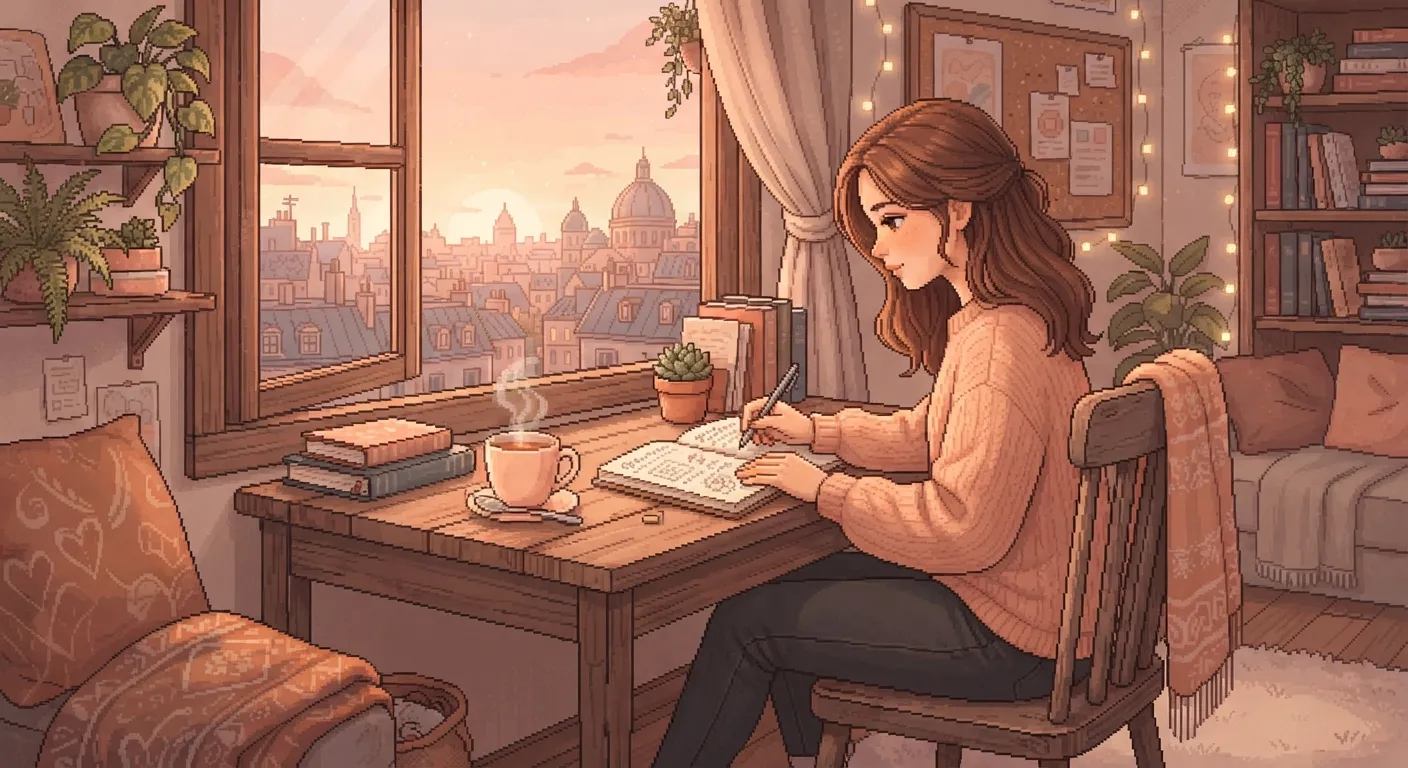
Leave room for life.
The best thing someone can say about one of our apps isn’t “I use it all the time.” It’s “It helped, and then I got on with my day.”
So we look for the moments that happen outside the screen: a clearer head in the morning, a longer walk with the dog, twenty-five quiet minutes of real work, a first dinner in a new home. That’s where an app does its best work.
We’ll keep building small things, on purpose. One person, one afternoon, one little moment at a time.
With care, the Uluwatu team

